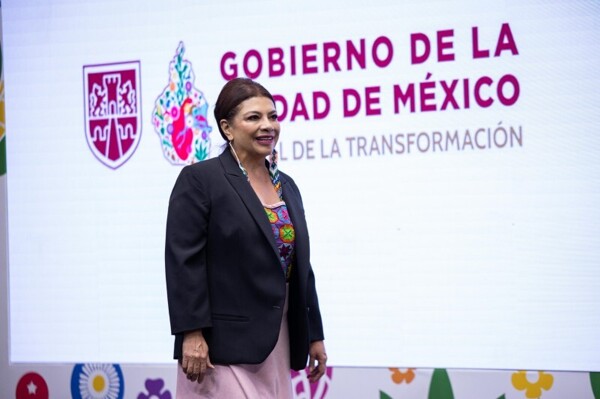
The government led by Clara Brugada is promoting a key investment to modernize these spaces that daily mobilize millions of users. According to the director of the Regulatory Body of Transport, Fernando Solís Godínez, 36 Modal Transfer Centers (CETRAM) are currently administered, where between 25,000 and 27,000 transport units circulate and up to 6 million daily trips are made, reflecting the urgency of their renovation after decades of operation.
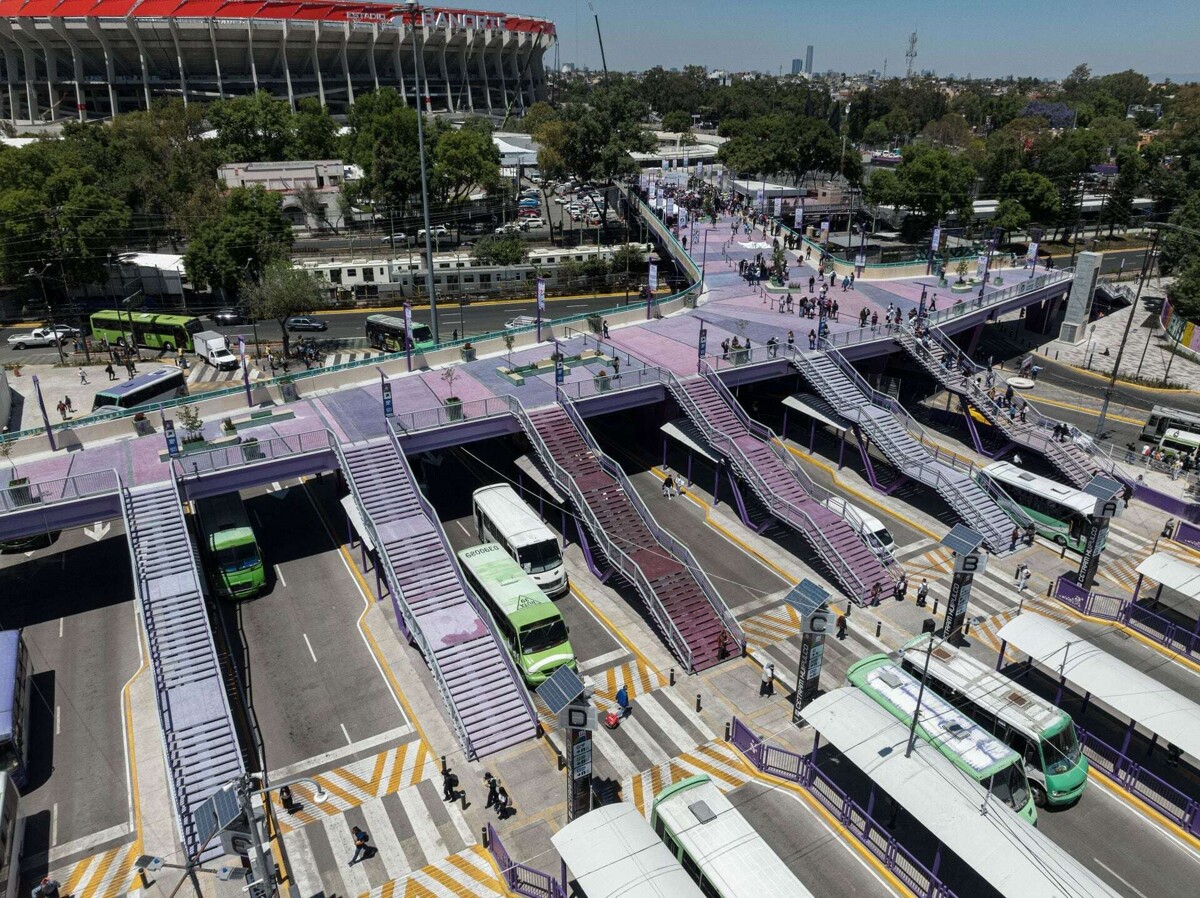
Huipulco: Strategic Renovation for the 2026 World Cup One of the most emblematic projects is the rehabilitation of the Huipulco CETRAM, located near the Azteca Stadium, a key venue for the 2026 FIFA World Cup. This space, which emerged as a stop during the 1986 FIFA World Cup, is regaining relevance with an investment of 29.7 million pesos to improve the experience for more than 50,000 daily users.
Among the main works are: • Total renovation of platforms with a roof to protect users from the weather • Rehabilitation of sidewalks and traffic lanes • Construction of a new space for food vendors • Development of a bike parking facility for 160 bicycles, built with recycled materials
Additionally, this CETRAM will connect with the new Gran Tenochtitlan Ciclovía, strengthening intermodality in the south of the capital.
CETRAM Universidad and Taxqueña, in the process of modernization Two other key points in this strategy are the Universidad CETRAM and the Taxqueña CETRAM. In Universidad, a two-stage intervention is being carried out with an investment of 20.7 million pesos, whose first phase will conclude at the end of April and will include a new bike parking facility.
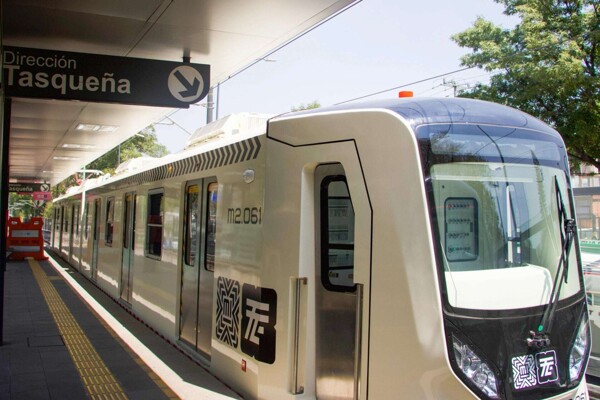
Meanwhile, Taxqueña —one of the oldest CETRAMs, in operation since 1970— is receiving a comprehensive rehabilitation of its traffic lanes through asphalt work on its two bodies, improving mobility in one of the city's most congested nodes.
Sustainable and Efficient Mobility for Millions These works are part of a comprehensive vision to modernize the city's transport infrastructure, prioritizing safety, accessibility, and sustainability. The strategy also includes the upcoming completion of the 34-kilometer Gran Tenochtitlan Ciclovía, which will benefit more than 2,000 daily cyclists, consolidating clean and efficient transport alternatives.
With the rehabilitation of key CETRAMs, the Mexican capital is preparing to receive millions of visitors in 2026, while improving the daily mobility of its inhabitants.
The rehabilitation of the Modal Transfer Centers (CETRAM) in Mexico City is advancing strongly as part of the mobility strategy towards the 2026 World Cup.